AICS | LATEST
News & events
Workshop • 2 Feb 2026
AICS-SOUNDS Workshop
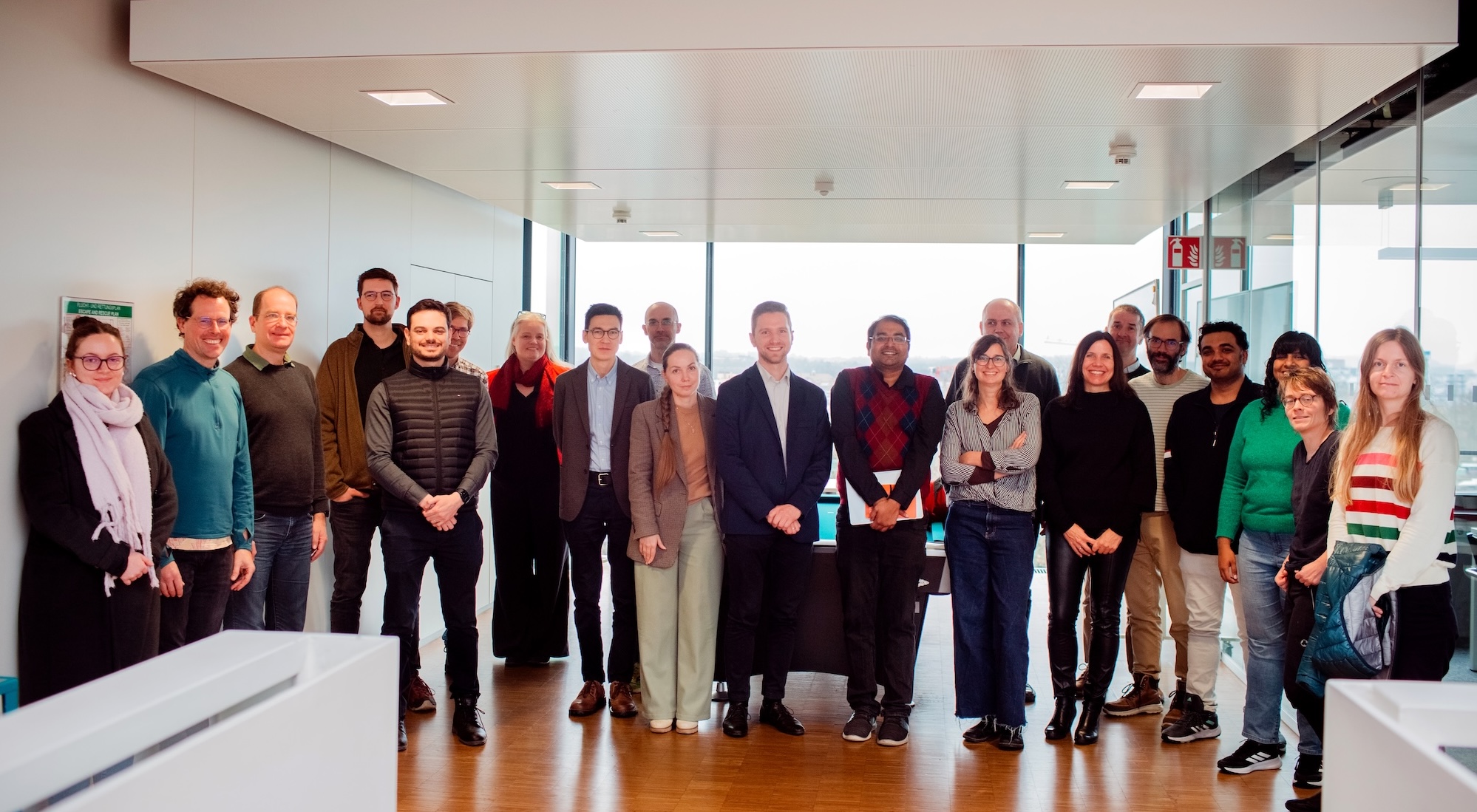
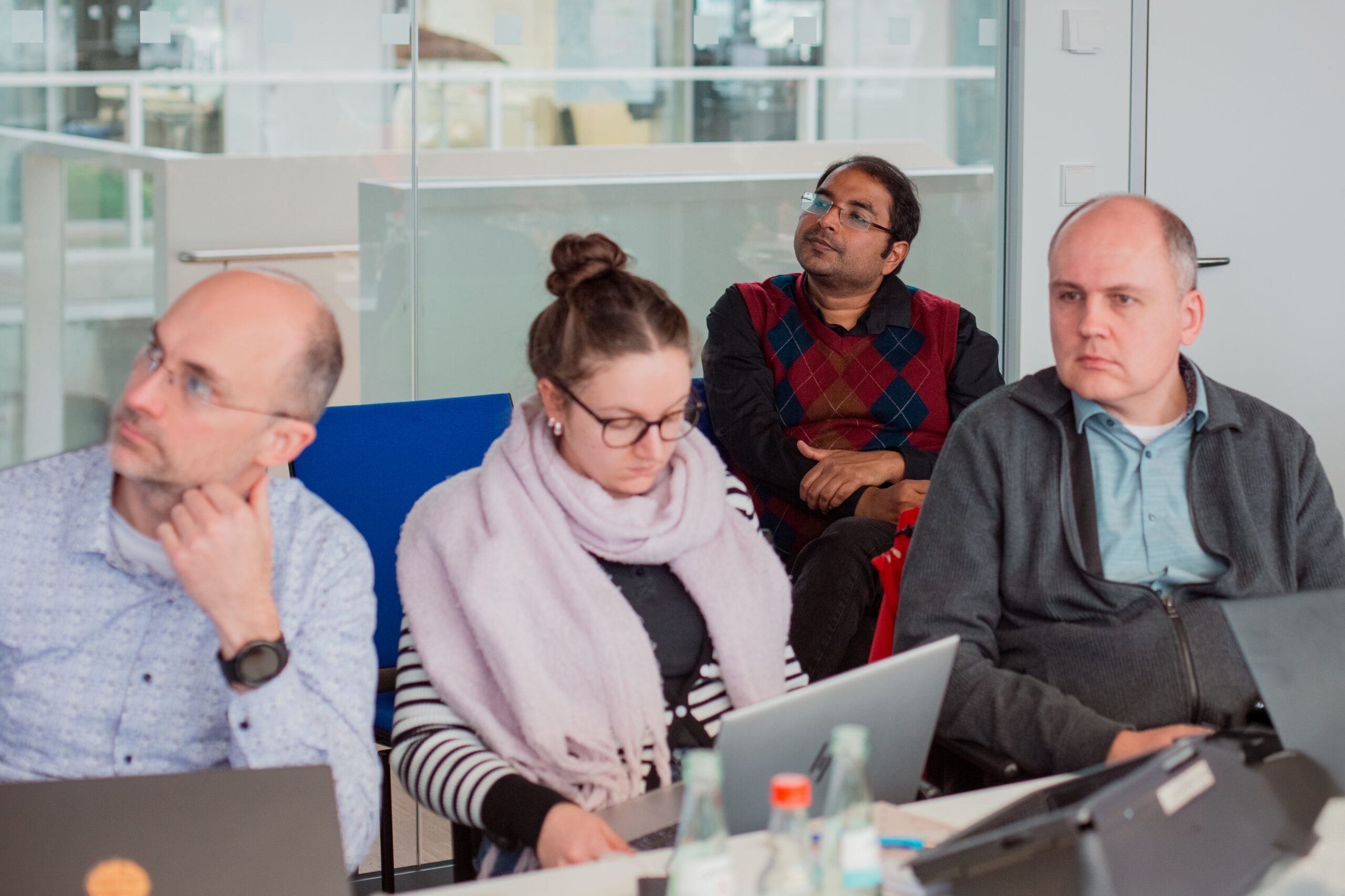
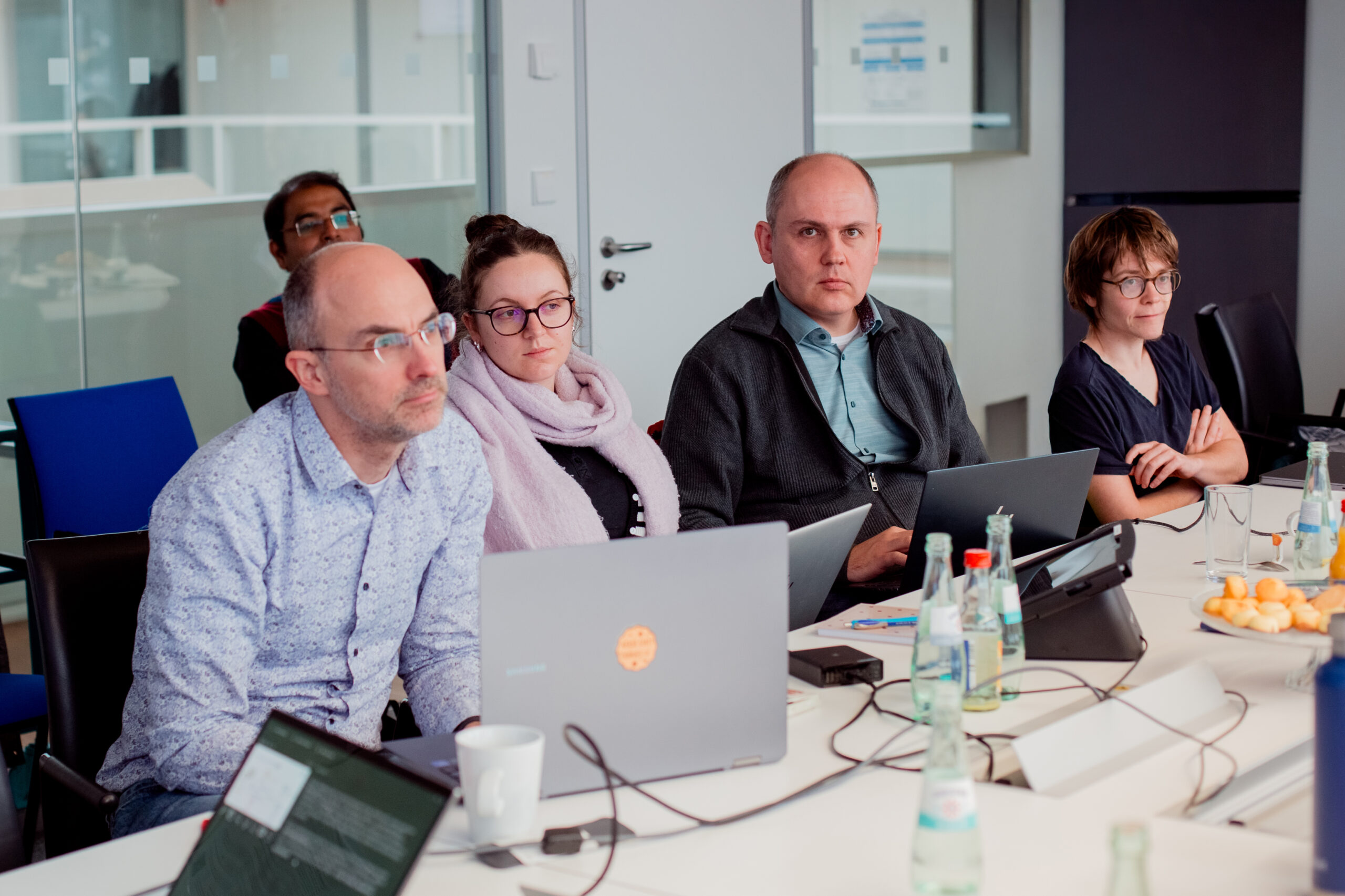
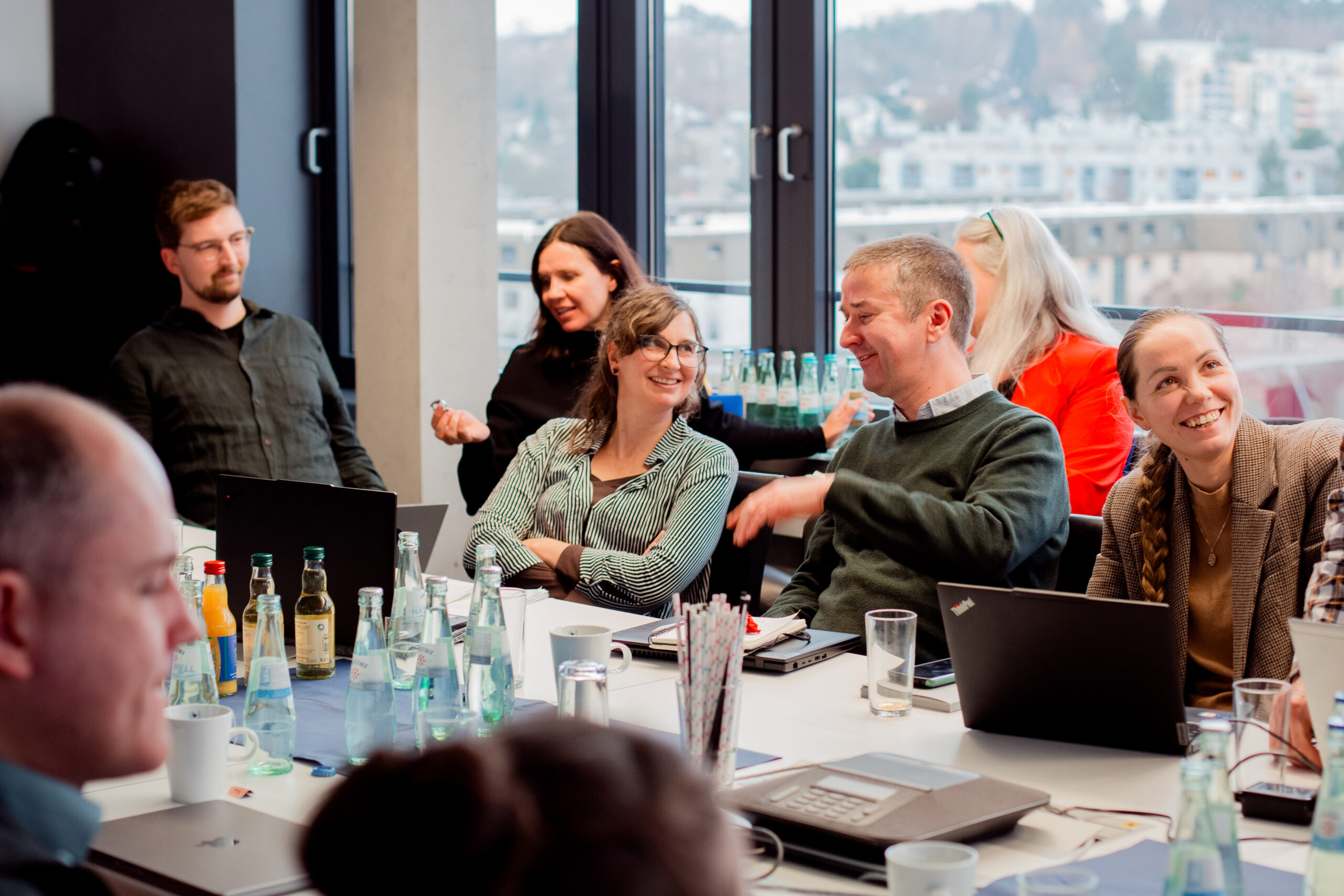
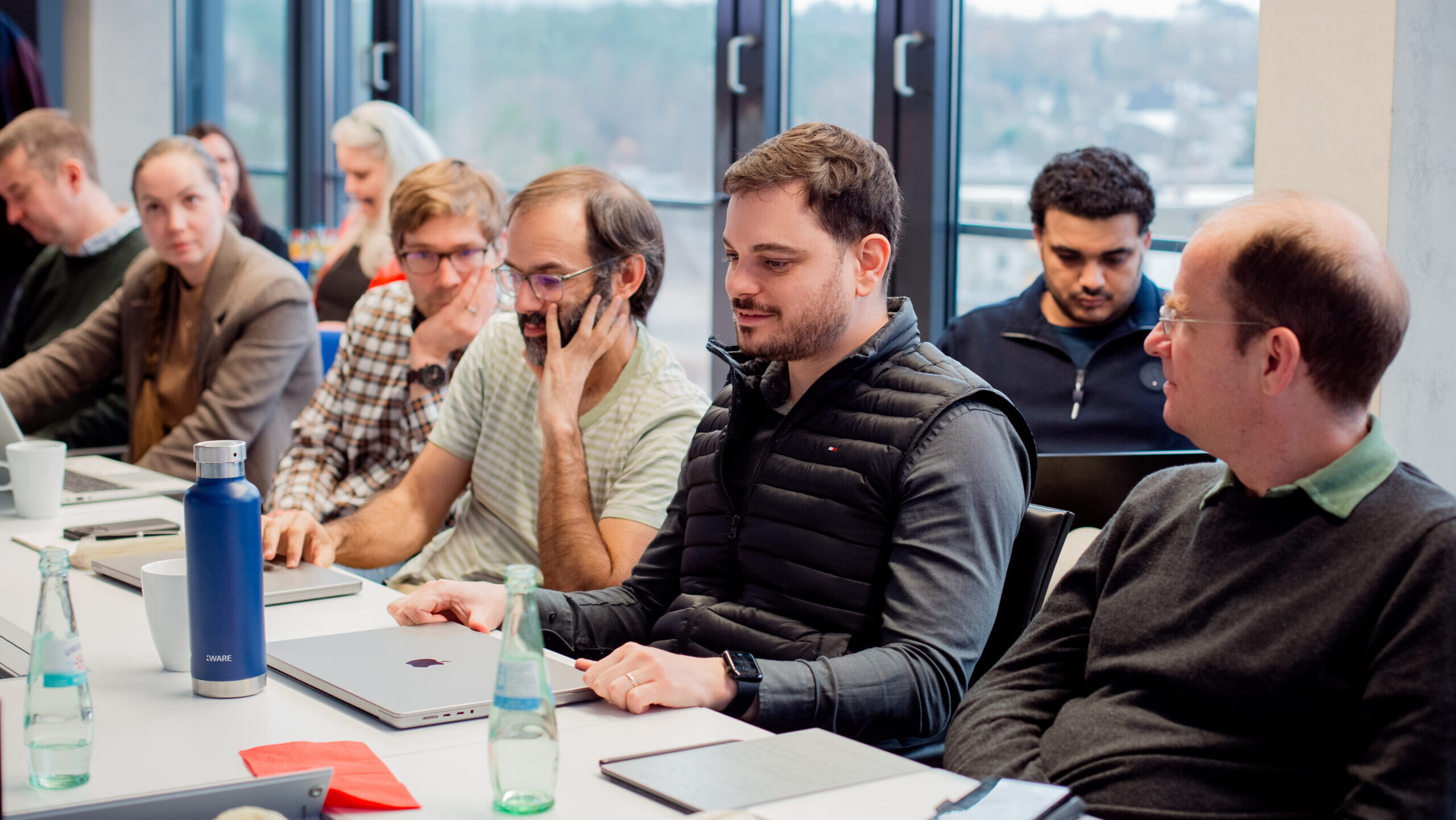
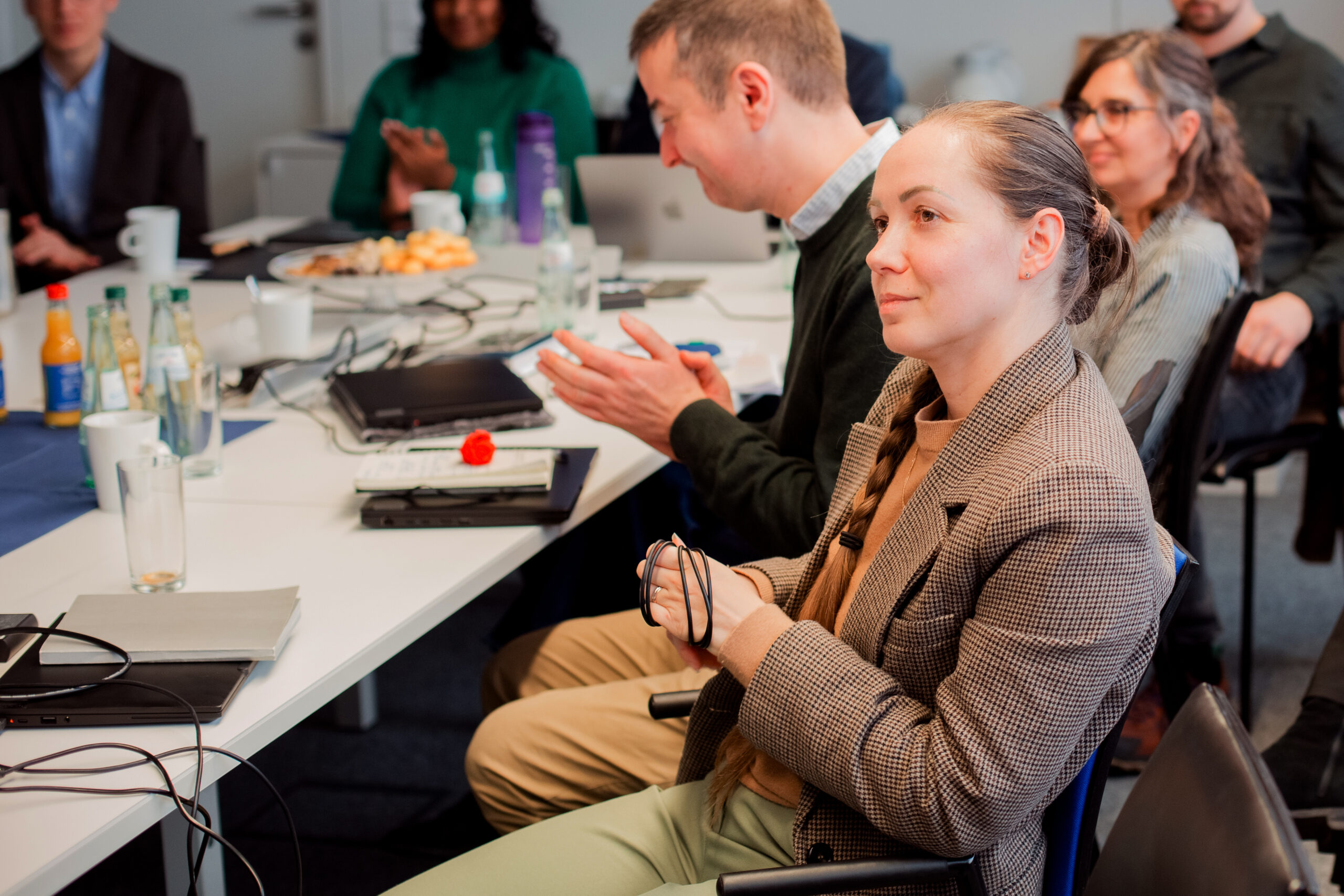
The AICS-SOUNDS Workshop brought together researchers from computer science, political science, law, machine learning, distributed systems, and computational social science to explore new opportunities for interdisciplinary collaboration.
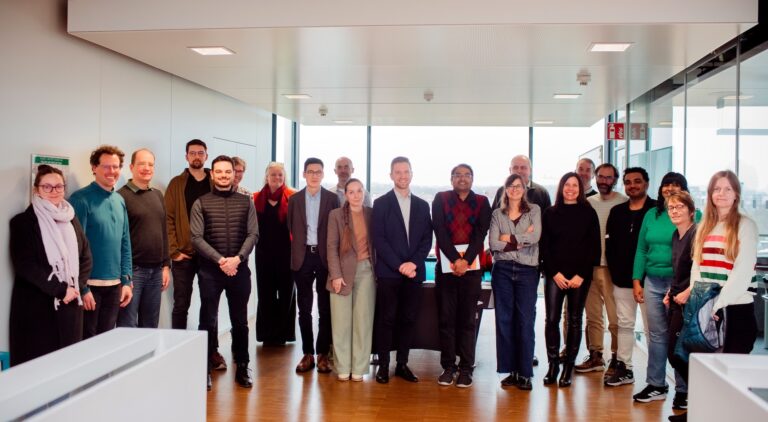
Organised jointly by AICS (AI, Computing & Society) and SOUNDS (Societal Observatory Using Novel Data and Simulation), the workshop was designed as a forum for exchanging ideas, identifying shared scientific challenges, and laying the foundations for future collaborative research within the AI, Computing & Society (AICS) initiative.
Throughout the day, participants discussed how advances in computing architectures, artificial intelligence, and data-driven methods are reshaping society—and how interdisciplinary research can contribute to understanding and guiding these transformations.
Workshop Objectives
The workshop had three primary goals:
- Develop a shared research vision across disciplines contributing to AICS.
- Identify opportunities for collaboration around emerging research questions in AI, computing, and society.
- Explore long-term institutional structures that support sustainable interdisciplinary research, including shared data, applications, and expertise.
Opening Session
Building the foundations of AICS
Krishna P. Gummadi opened the workshop by introducing the vision behind AI, Computing & Society (AICS).
He described AICS as a joint initiative of RPTU, MPI-SWS, and the Ministry of Science and Health of Rhineland-Palatinate, created to investigate how computing architectures shape societal outcomes.
The presentation emphasized an important distinction between artificial intelligence and the computing architectures on which AI systems operate, arguing that understanding these architectures is essential for addressing questions of accountability, bias, transparency, and governance.
Looking ahead, Krishna outlined plans to strengthen AICS through new professorships, interdisciplinary research projects, and broader collaboration across the Max Planck Society.
Session Highlights
Society, Democracy & Politics
Several presentations explored how digital technologies influence democratic institutions, political communication, and public opinion.
Topics included:
- computational political science
- online political communication
- misinformation
- elections
- public opinion
- AI adoption in government
- trust in democratic institutions
Speakers
Presented research on computational political science and new approaches for studying political behaviour using digital data and large language models.
Presented the SCOPE project and research on misinformation, political communication, and digital behaviour, including the ERC proposal BRIGHTDARKPOL.
Discussed public administration, AI adoption within government, and citizens’ perceptions of algorithmic decision-making.
Presented the ActEU project, examining trust, legitimacy, and political polarization using multilingual datasets spanning more than 30 million online documents.
Computing Systems & AI
Several talks focused on the technical foundations of trustworthy computing systems.
Topics included:
- distributed systems
- federated learning
- blockchain
- privacy
- security
- machine learning
- responsible AI
Speakers
Presented research on secure decentralized systems, payment networks, federated learning, and privacy-preserving distributed machine learning.
Explored decentralized Web3 infrastructures and their implications for governance, transparency, and digital ownership.
Sophie Felling & Marius Kloft
Presented interdisciplinary research from the Machine Learning Kaiserslautern-Landau group, spanning generative AI, sustainable engineering, anomaly detection, and environmental applications.
AI, Law & Governance
Several speakers examined the legal and institutional dimensions of AI.
Discussed interdisciplinary research at the intersection of law, AI, privacy, and information security, highlighting opportunities for collaboration between legal scholars and computer scientists.
Presented perspectives on AI in judicial systems, focusing on trust, criminal justice, and the evolving relationship between legal frameworks and emerging technologies.
Human Behaviour & Online Platforms
Understanding how people interact with AI systems formed another recurring theme.
Discussed “Computing for Society,” demonstrating how unconventional data sources can reveal social and economic dynamics through computational methods.
Presented work on algorithmic auditing and human interactions with conversational AI systems, exploring transparency, user agency, and content moderation.
Additional Presentations
Abhilasha Ravichander
Manuel Gomez Rodriguez
Workshop Outcomes
The workshop demonstrated the breadth of expertise contributing to AICS and identified several common research themes that span traditional disciplinary boundaries.
Across the discussions, participants highlighted recurring questions around:
- trustworthy AI systems
- human–AI interaction
- computing architectures
- digital platforms and society
- governance and regulation
- privacy and security
- political communication
- computational social science
These discussions will inform future collaborative research activities, faculty recruitment, workshops, and interdisciplinary projects within AICS.